Footwear
Take care of your feet and they’ll take care of you.
Spend any amount of time in the outdoors and it quickly becomes clear just how important quality footwear really is. The terrain you cover plays a major role in how well your feet hold up. Are you pushing your limits on rugged trails, slogging through mud, hopping in and out of a canoe? We've talked with our Guides and Outfitters to get their take on what keeps their feet comfortable and protected while hiking, snowshoeing, camping, fishing, canoeing, and portaging—whatever the adventure demands.
Reminder that we’re an affiliate link oriented company. We do receive, at no cost to our users, a small fee from the owners of the affiliate links we use. Please use these links so that we can continue to offer and improve our Guide and Outfitter informed collection.
On the Trail
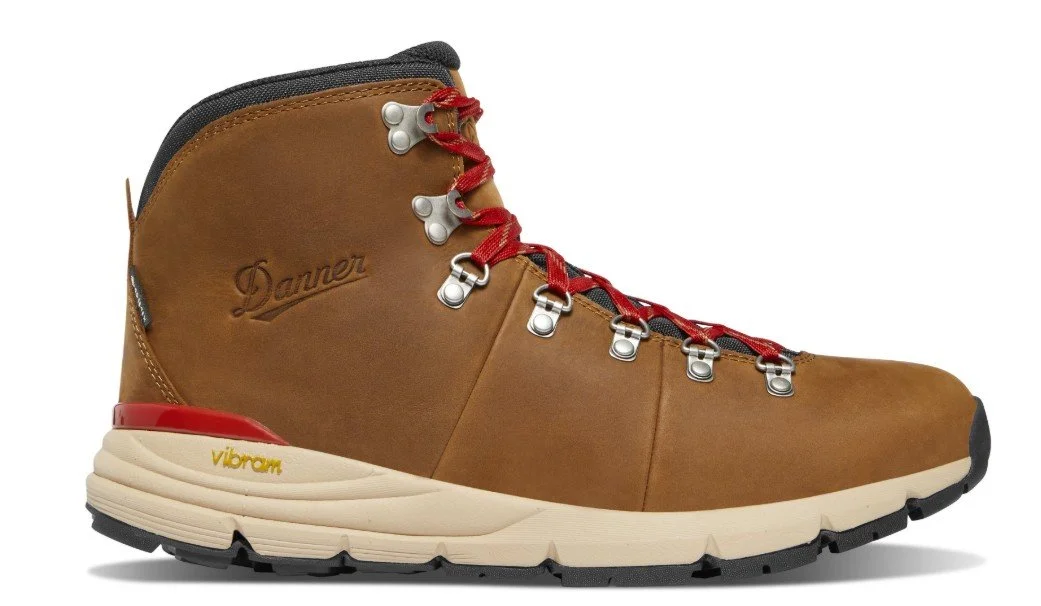
Danner Mountain 600 series (there are a bunch of variations)
In our outreach on hiking boots, Danner came up frequently—especially among folks with a hunting background. That’s no surprise: Danner has long produced top-quality hunting boots (you’ll spot some of them down in the “On the Hunt” section). The model featured here earns praise from our Guides & Outfitters for its comfort and easy wear. It’s not the most technical or highly supportive hiking boot out there, but that’s not its purpose. This Danner stands out for being remarkably comfortable right out of the box, with almost no break-in period. Add waterproof GORE-TEX construction that preserves its classic all-leather look, and you’ve got a boot people love. The outsole is impressively grippy and durable, meaning you’ll log plenty of miles before ever needing Danner’s eco-minded recrafting service (which is a pretty cool offering if you ask us).
By the Water
Wet-Footing
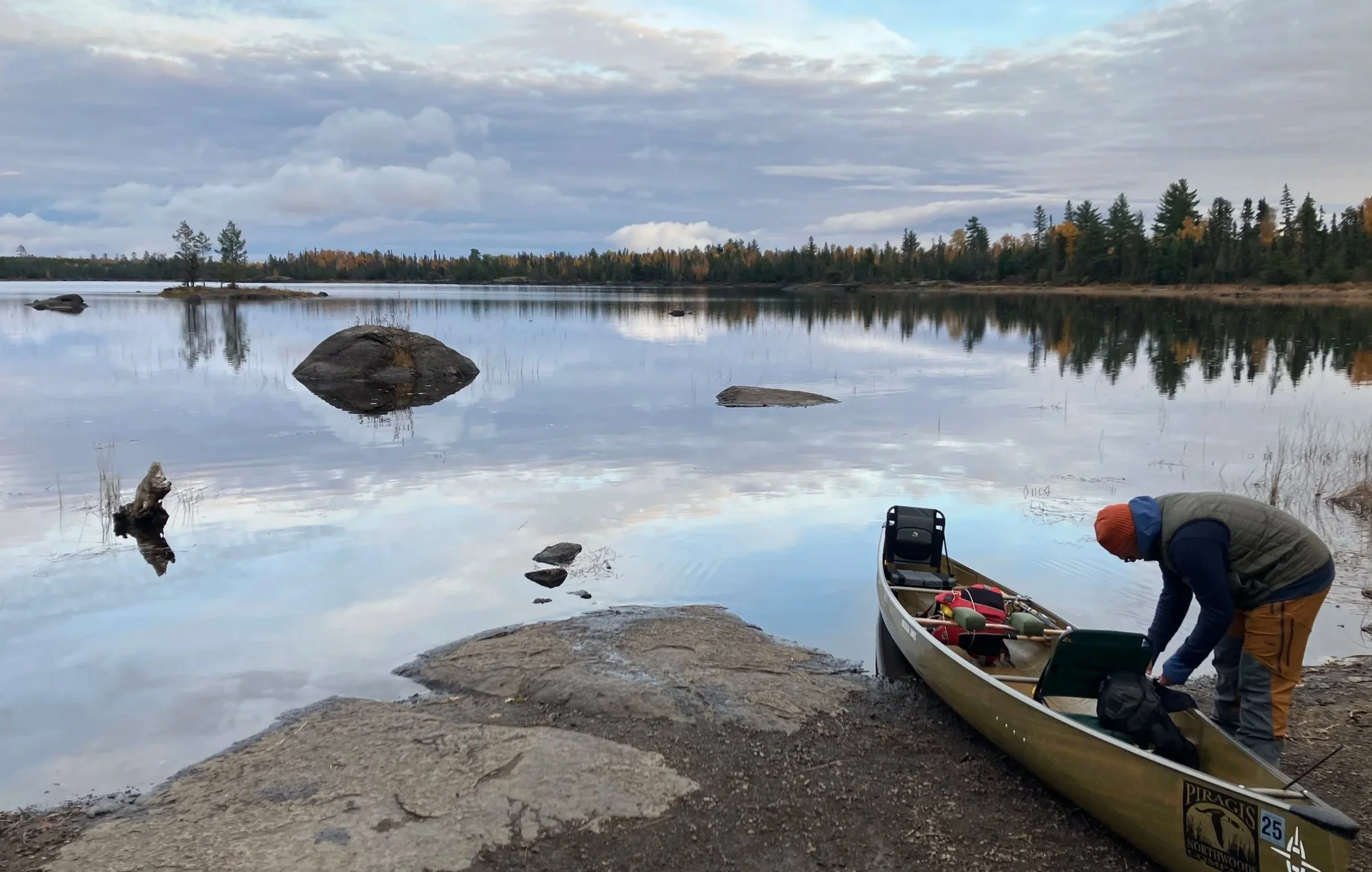
Advances in modern canoe design have significantly reduced carrying weight, but with that comes the need for more care. Rather than running the canoe up onto sand or rocks—which can cause unnecessary abrasion and wear—canoeists step out of the canoe into the shallow water. As a result, wet-footing has become the standard practice.
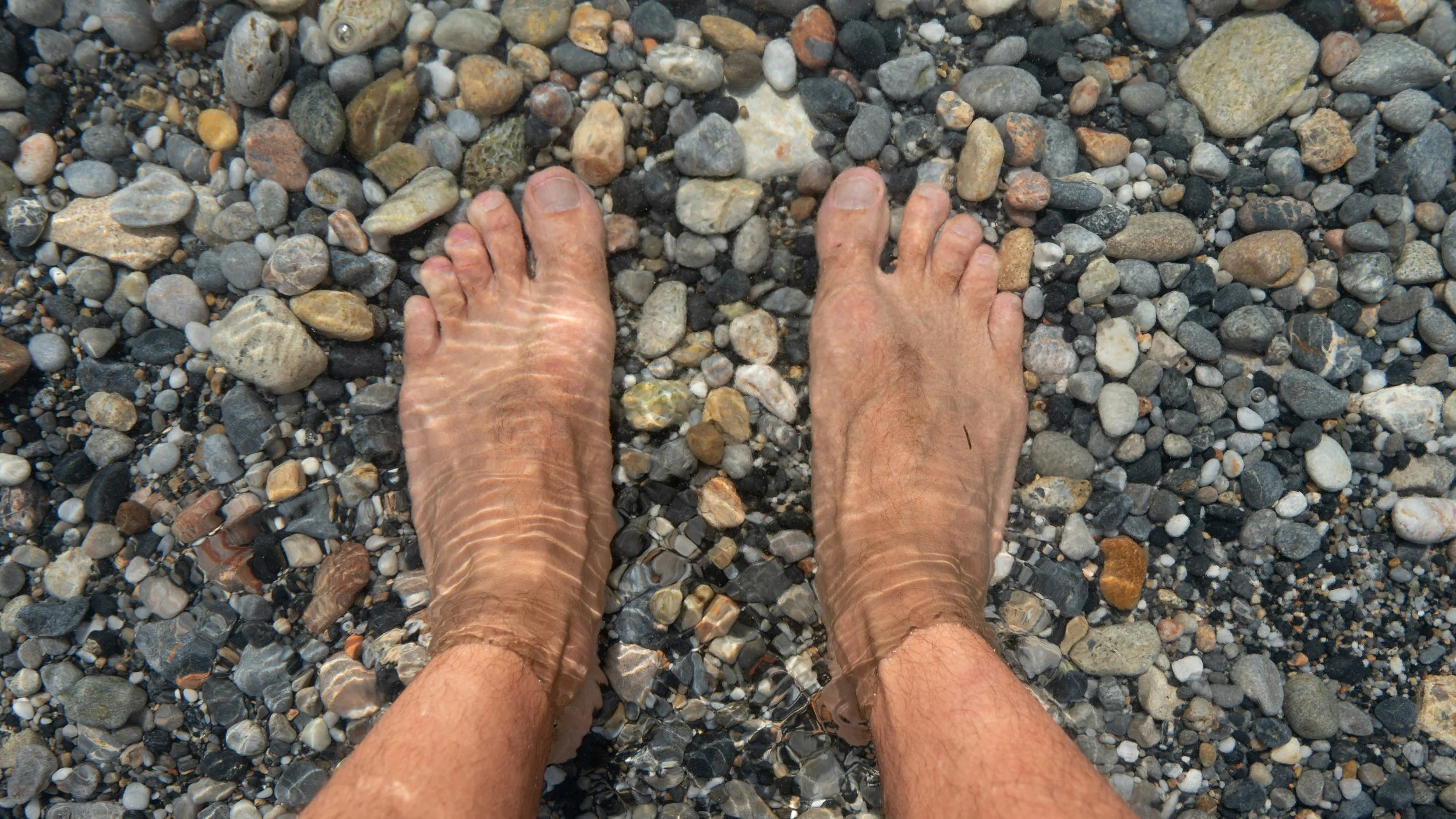
That means one thing: your feet will get wet. The key is planning for it. Below are our top recommendations for footwear on a canoe trip (or any adventure) where repeated wet landings are part of the experience.
Chacos
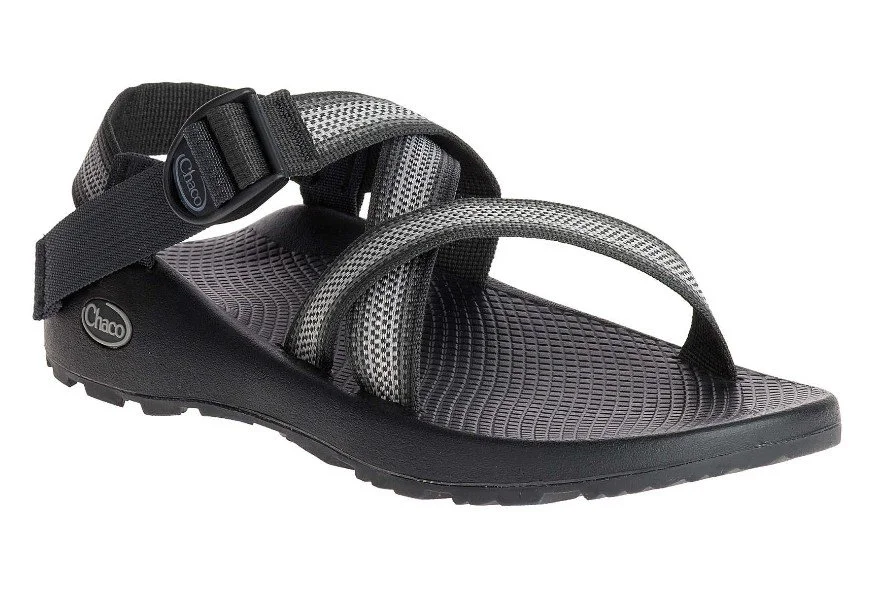
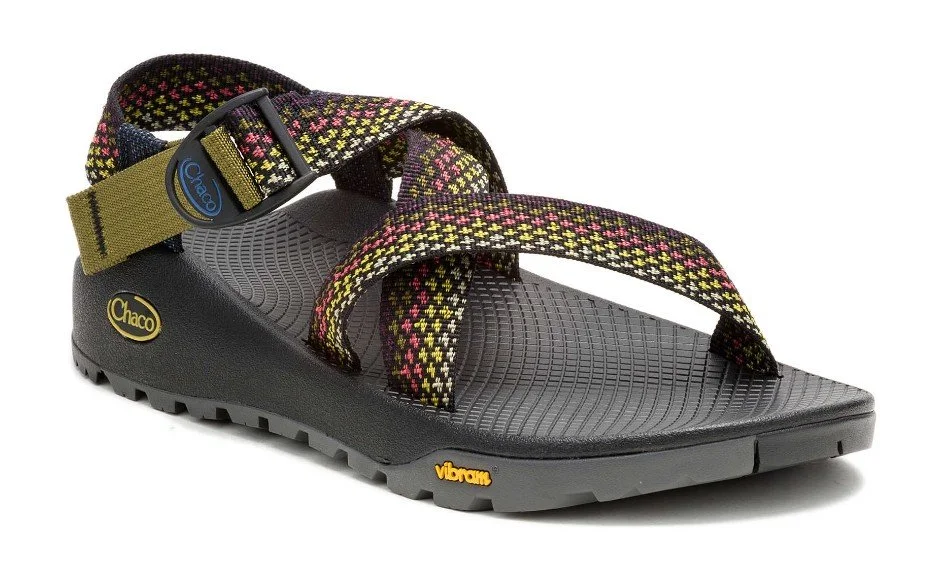
Chaco sandals are a favorite among many canoe country Outfitter employees. While they don’t offer ankle support and can’t match the traction of a hiking boot, they’re remarkably rugged and durable for a sandal. Yes, the open-toe design leaves your feet vulnerable to rocks, roots, and other trail hazards—but the versatility they offer is what earns them a loyal following. Chacos excel in wet environments, with a secure fit, quick-drying materials, and the ability to handle repeated soakings without falling apart. Our Outfitter colleagues are quick to note: this is a warm-weather, warm-water recommendation only! Both the Classic and the Rapid Pro are great - but the Rapid Pro boasts a better Vibram sole and improved traction, probably worth the extra you see on the price tag.
Classic
Rapid Pro
Teva
Teva sandals are another favorite for wet-footing. The models that received the most consistent praise from Outfitters were the closed-toe options, particularly the Forebay Water Sandal and Hydratek Closed Toe Water Sandal. While heavier than open-toe options like the Chaco varieties above, they provide significantly more protection.
Outfitters consistently note that the more portaging involved — especially on steep or rocky terrain — the more they recommend a closed-toe water shoe. When navigating slippery rocks with a canoe or pack, missteps are inevitable, and added toe protection can help prevent injuries ranging from minor bumps to more serious impacts.
This is especially true of the Hydratek, which combines a protective, shoe-like toe cap with open sides and a heel that allow water to drain quickly.
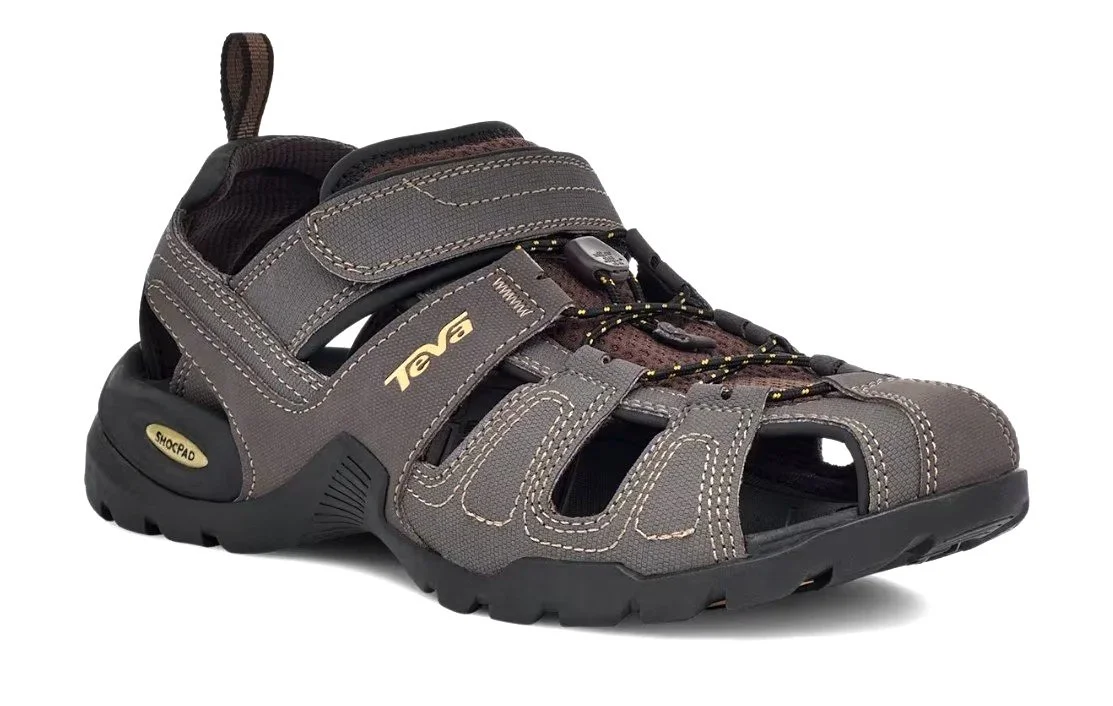
Forebay Water Sandal
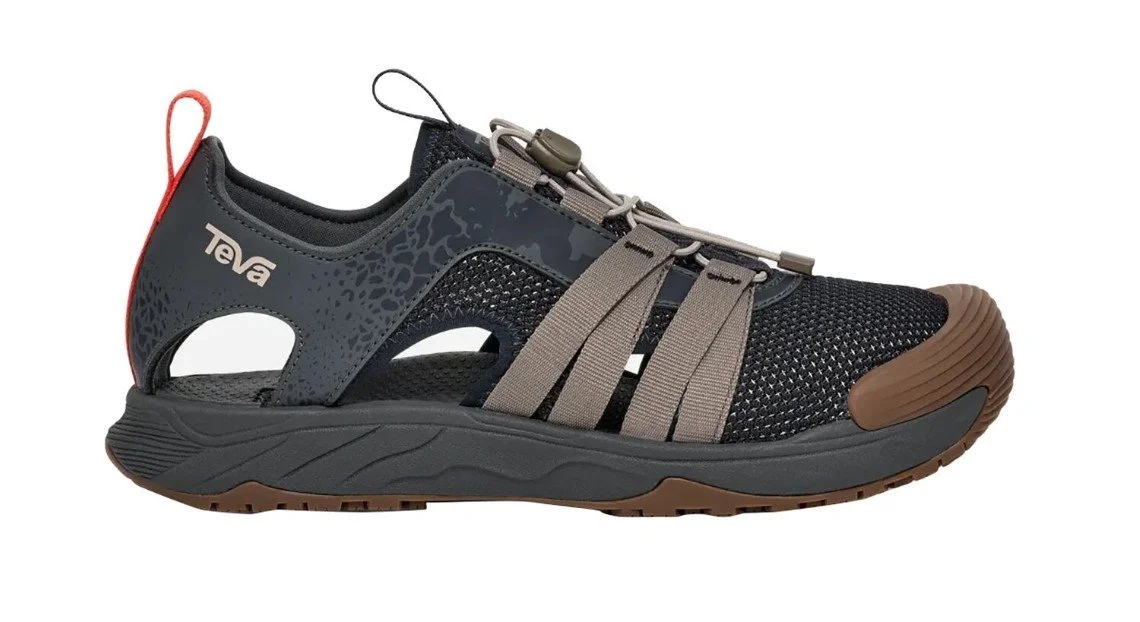
Hydratek Closed Toe
Around Camp
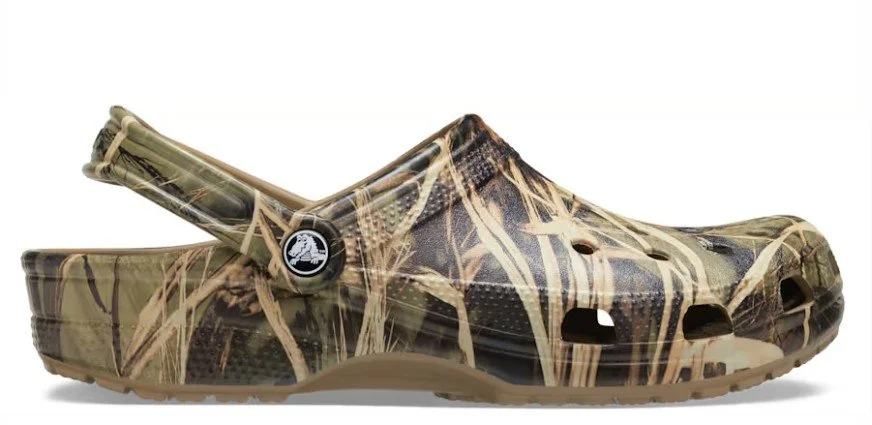
Crocs are often cited as the preferred “at camp” footwear from our Guides & Outfitters and one they don’t tend to overthink. Easily clipped to the outside of nearly any pack with a carabiner, they add virtually no weight and don’t compete for valuable pack space. They come in a million color and pattern options, if that matters. They don’t absorb or hold water, meaning you can arrive at camp after a long day on your feet, stretch on a dry pair of socks and slip your feet into the comfy interior of your Crocs. They provide surprisingly good traction on most surfaces and unlike many sandals-like options, the closed toe offers real protection from stumbles on roots and rocks around camp, especially in the dark. Our Guides & Outfitters frequently give us some version of “…it’s simple, they’re easy and they’re comfortable.”
Crocs
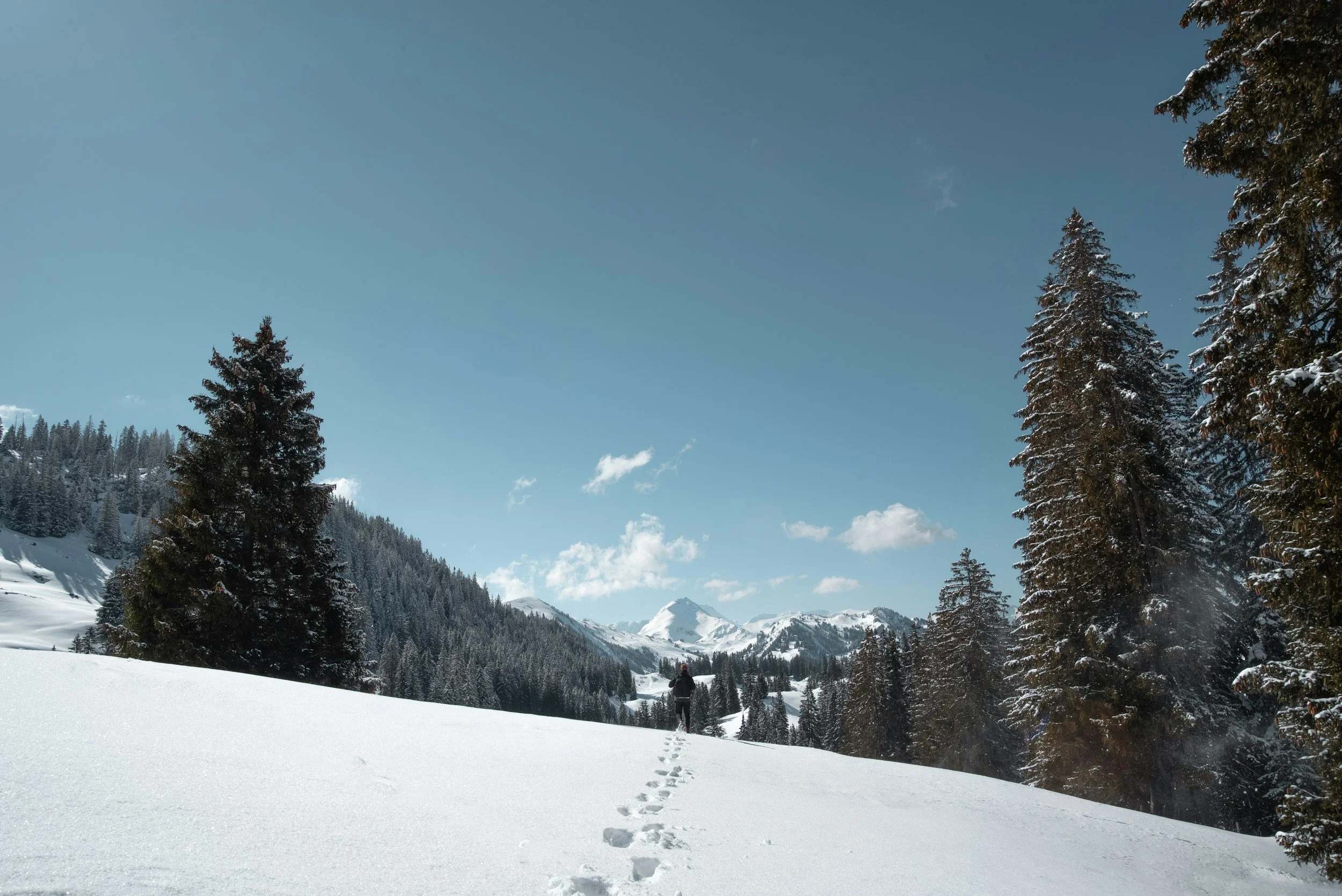
Through the Snow
…or on the ice
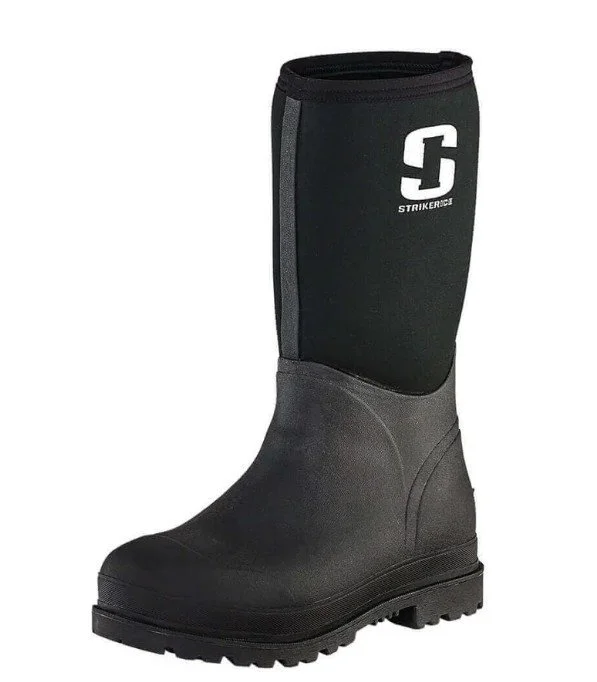
Striker Ice Boots
A favorite among our Guides and Outfitters who specialize in winter adventures. Whether it’s ice fishing, winter camping, or any cold-weather pursuit that keeps you out in the elements, these boots are the go-to choice for the most winter-hearty of folks in our Guides & Outfitters network. They’re warm, snug, and surprisingly lightweight and agile for such rugged footwear. One feature mentioned time and again: exceptional warmth—so effective that most users find they don’t need the bulky wool socks often required with other boots.
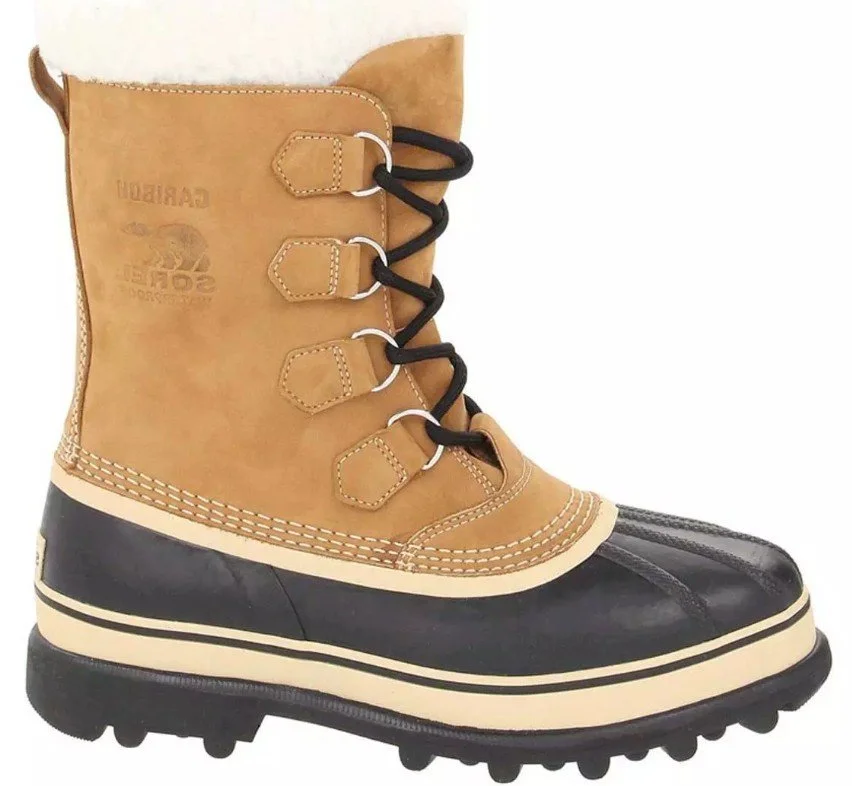
Sorel Caribou
A high-quality, dependable classic you’re just as likely to spot on your neighbor while they’re out running the snowblower as you would see these on winter adventures. But don’t be fooled by the stylish good looks —they’re built for winter, real winter. Our Guides & Outfitters insist on it. Rugged, waterproof, and warm, the Caribou handles the wet, slushy stuff with ease, making it just as reliable for around-the-house winter chores as it is for backcountry adventures.
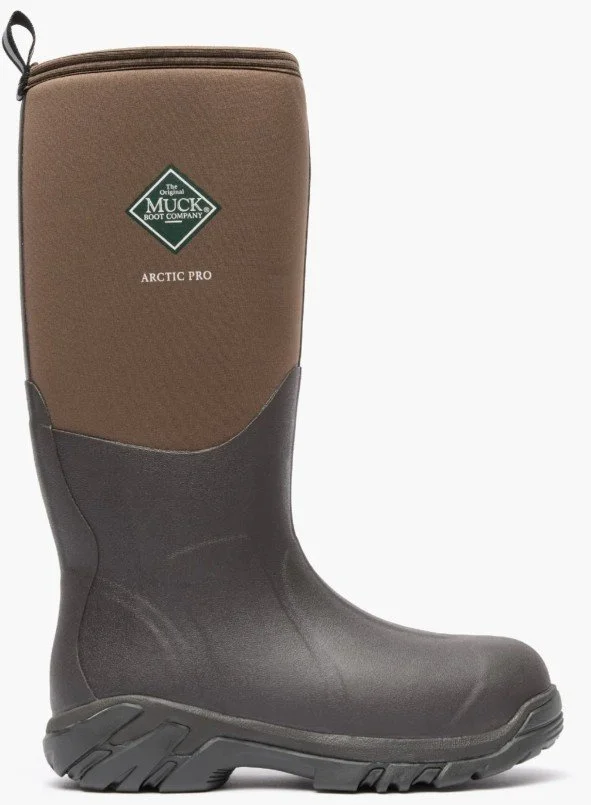
Muck Boots Arctic Pro Insulated
Another one designed to endure during the kind of cold you’ve either experienced and understand or you simply don’t. Ice fisherman, winter campers and trekkers in those northern regions can attest to the importance of adequate insulation in your boots. These boots from The Original Muck Boot Company are seriously insulated and the feedback we get says that they handle long hours in sub-zeros as well or better than any boots our Guides & Outfitters have owned. Like a lot of our other featured items in footwear, these Muck boots make the cut because we kept hearing how comfortable these Arctic Pros are. Particularly popular with winter hunters and especially ice fisherman suggesting a fair bit of versatility out of these boots.
On the Hunt
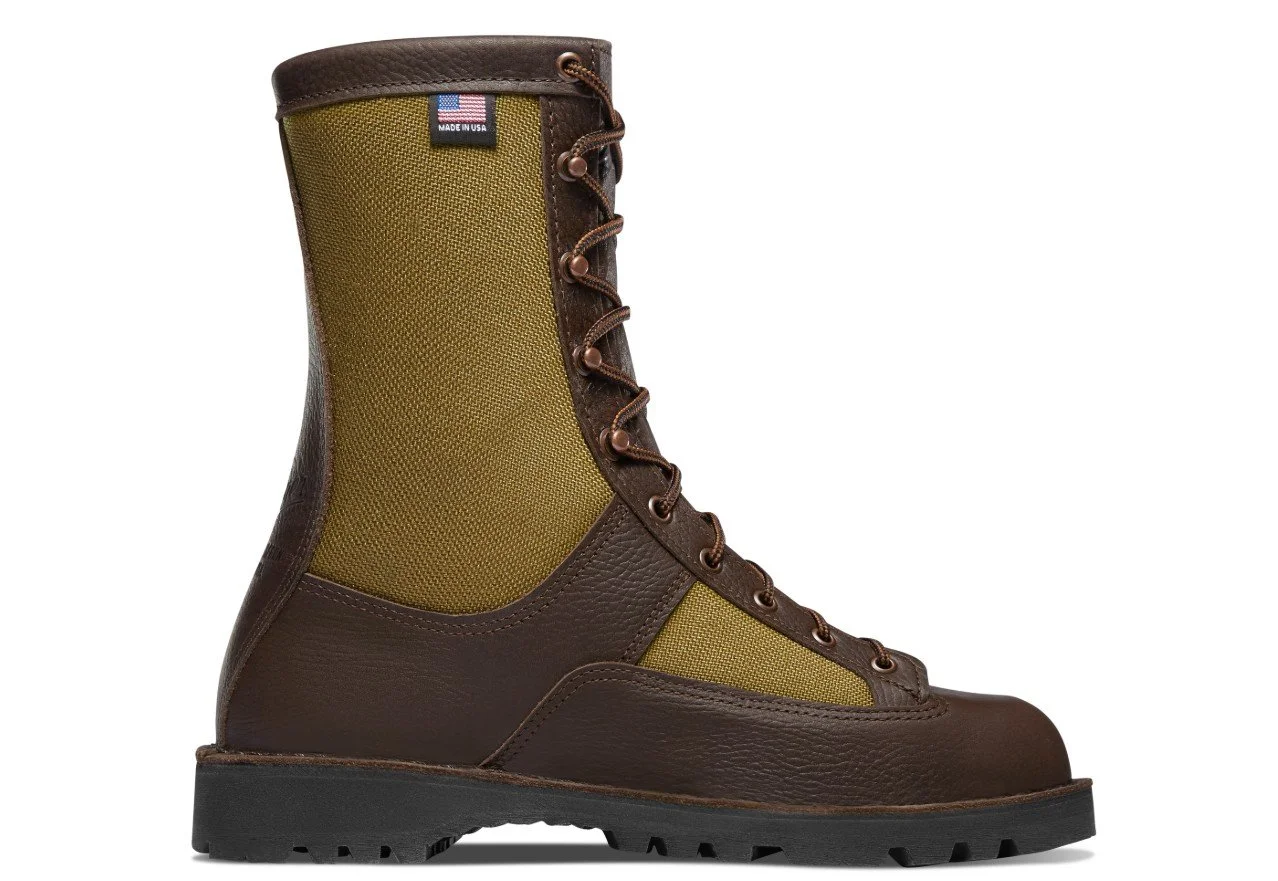
Danner Sierra
This is a hefty boot — not lightweight, but built for tough conditions. Guides and outfitters we’ve spoken with consistently swear by Danner, and the Sierra boots in particular, citing comfort and reliable waterproofing. The tall design provides protection in boggy, muddy terrain.
They’re an investment, but professionals who spend long days in the field don’t hesitate on the price. The durable construction delivers extended life, they function well across three seasons, and Danner even offers recrafting when they eventually wear down. Made in the USA.
The Grouse is another frequently recommended option — similarly priced and equally respected.
Danner Pronghorn
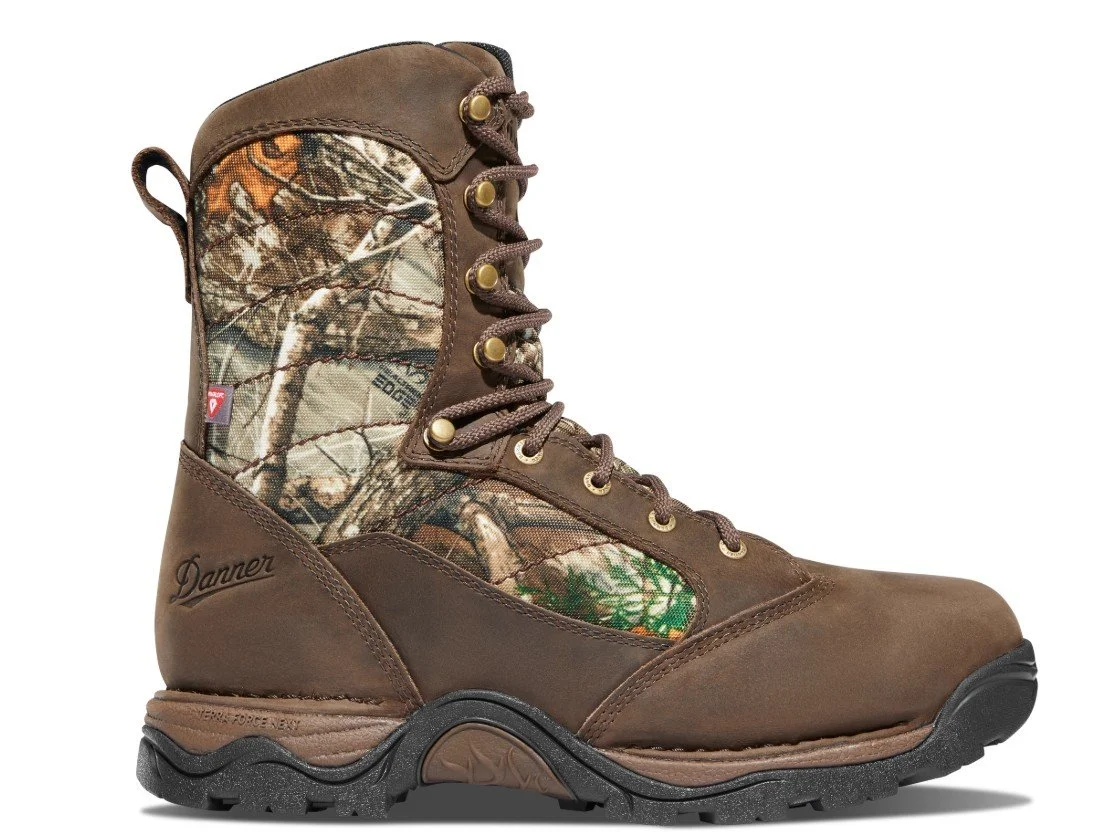
The Pronghorn is another favorite among our Guides & Outfitters — a true do-it-all hunting boot. It performs equally well in marshy wetlands chasing waterfowl, working ditches and scrub for grouse and pheasant, and handling the rougher terrain typical of deer or elk hunts.
Priced below the Sierra, the Pronghorn offers similar weight (in the insulated model) along with the easy comfort and quick break-in Danner is known for. The lower price largely reflects overseas manufacturing, while the Sierra and Grouse are made in the USA.
A long-running staple in Danner’s lineup, the Pronghorn has seen thoughtful updates over the years and remains a warm, waterproof, and reliable three-season boot trusted by many in the field.